Our new policy paper, “Like, share, vote. How do political influencers affect elections?" sheds light on the growing role of content creators in political campaigns and the problems related to it. The report proposes four policy recommendations that make elections fairer by tackling lack of transparency in monetisation mechanisms, inadequate disclosure of paid political influence,…
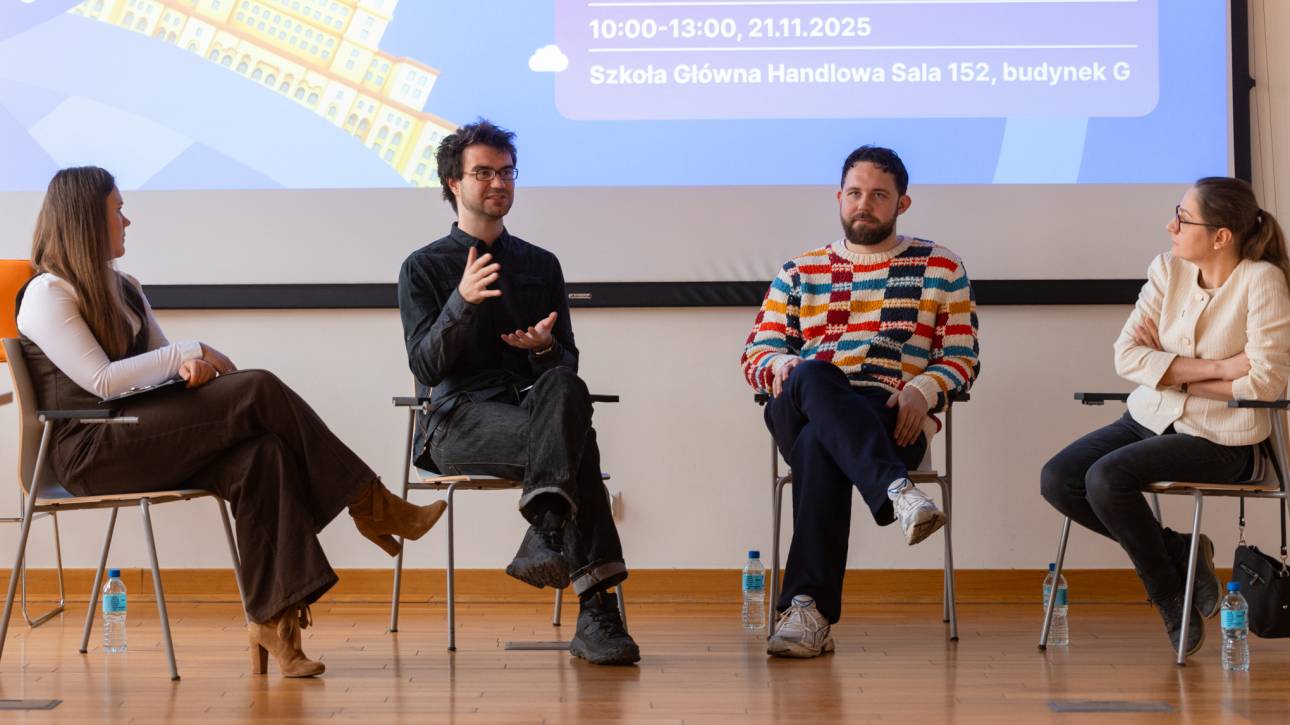
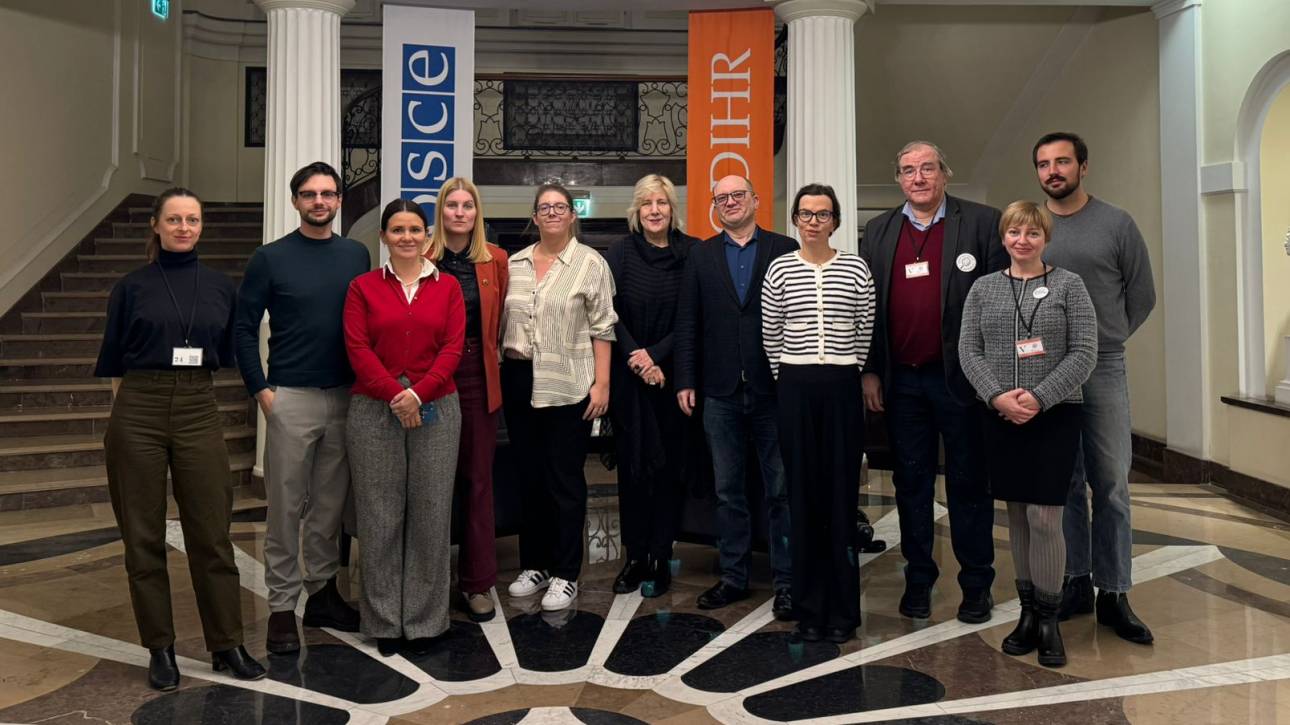
Our experts joined fellow civil society organisations at an OSCE Office for Democratic Institutions and Human Rights roundtable to explore how Poland can implement recommendations from the 2025 presidential election observation mission. Participants highlighted multiple problems affecting electoral process quality and citizens trust, including accessibility barriers for voters with disabilities, persistent gender imbalances or postal voting controversies. We emphasised…
The decision to make user locations visible on X has sparked a wide debate. Showing how many accounts are inauthentic confirmed what experts have been warning about for years: too much of the online public conversation is being shaped by hidden, profit-driven actors rather than real people. This change raises important questions about user trust,…
Euractiv.pl opublikował relację ze szczytu europejskiej suwerenności cyfrowej w Berlinie. Mieliśmy przyjemność udzielić komentarza do tekstu:
Paradoksem jest, że budowanie cyfrowej suwerenności rozpoczyna się od demontażu jej dotychczasowego filaru unijnych regulacji technologicznych. Widać to choćby w entuzjazmie liderów europejskich dot. cyfrowego pakietu Omnibus czy w dążeniach do wstrzymania stosowania Aktu o sztucznej inteligencji – tłumaczy…
On November 19th, Chatham House hosted a roundtable on the Czech and Moldovan elections.
Participants discussed the state of foreign interference, information manipulation (FIMI), and influence operations surrounding the September and October parliamentary elections.
The event focused on lessons learned, emerging trends, policy recommendations for strategic responses, defensive measures, regulatory impacts, and preparedness building for…
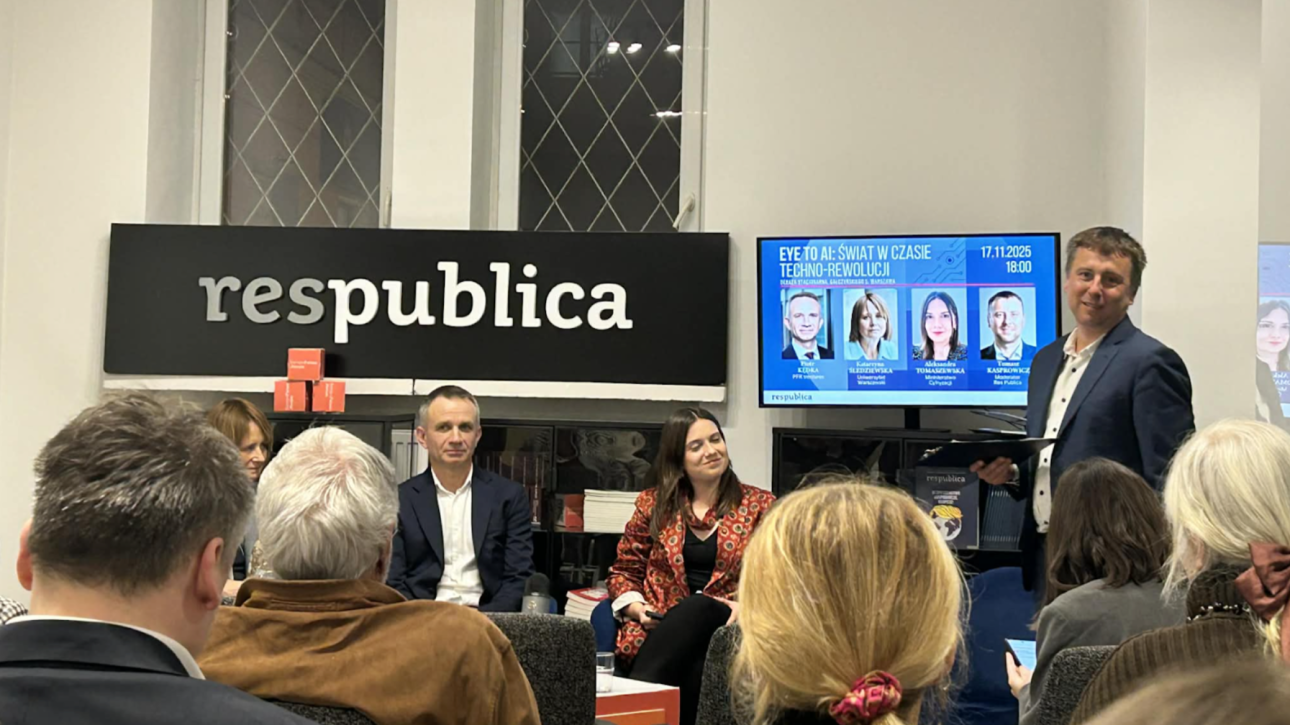
Ukazał się nowy numer „Res Publica Nowa” zatytułowany „Eye to AI. Świat w czasie techno-rewolucji”, w którym autorzy analizują wpływ sztucznej inteligencji na społeczeństwo, gospodarkę i politykę.
Autorzy przyglądają się temu, jak sztuczna inteligencja wpływa na społeczeństwo, gospodarkę, politykę i codzienność. Zastanawiamy się, czy rzeczywiście stoimy u progu przełomu, czy raczej kolejnego technologicznego rozczarowania.
Jakub…
Razem z ponad 120 organizacjami społeczeństwa obywatelskiego, związkami zawodowymi i obrońcami praw publicznych podpisaliśmy list do Komisji Europejskiej wzywający do wstrzymania planów, które mogą doprowadzić do demontażu unijnych zabezpieczeń ochrony danych oraz praw podstawowych pod pozorem uproszczeń.
Digital Omnibus i zbyt daleko idący Digital Fitness Check mogą zagrozić prywatności, odpowiedzialności i prawom człowieka, osłabiając nadzór…
With elections approaching across Central and Eastern Europe in 2026, new online regulations and emerging technologies are reshaping the information environment and raising new questions about campaign transparency. Civic organisations should remain active, exchange experiences, and strengthen monitoring skills to safeguard democratic integrity.
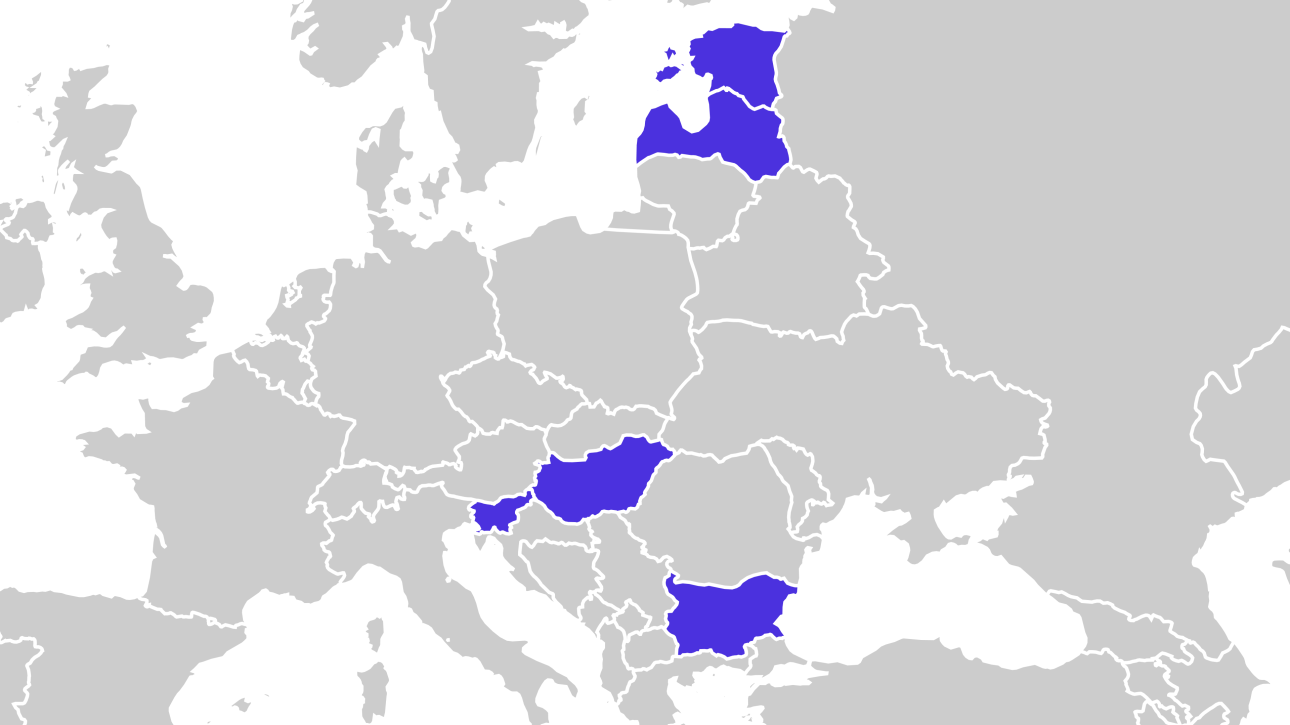
This week we met with experts from Hungarian organisations to discuss current…
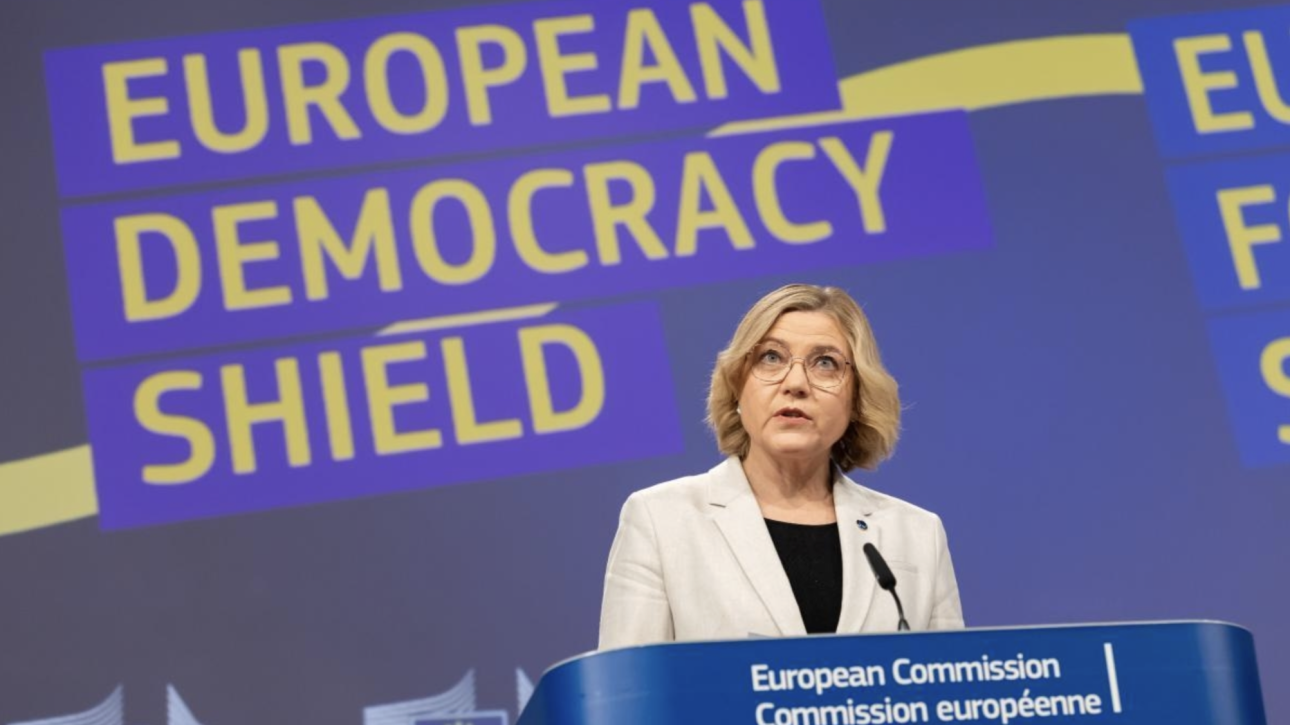
The European Commission officially published the European Democracy Shield on November 12, 2025, as a strategy to strengthen democratic resilience across the EU and candidate countries.
Early outcomes show limited but encouraging progress with clearer crisis protocols, influencer market transparency, and support for election integrity programs.
The focus on enforcing already existing frameworks instead of…
We brought together government and civil society leaders in Warsaw to discuss funding principles for the 2028-2034 Multiannual Financial Framework and the place of digital rights and civic participation in it. While democratic resilience and civic engagement are essential for societies to withstand crises and digital threats, it is urgent to combine them with the current focus…
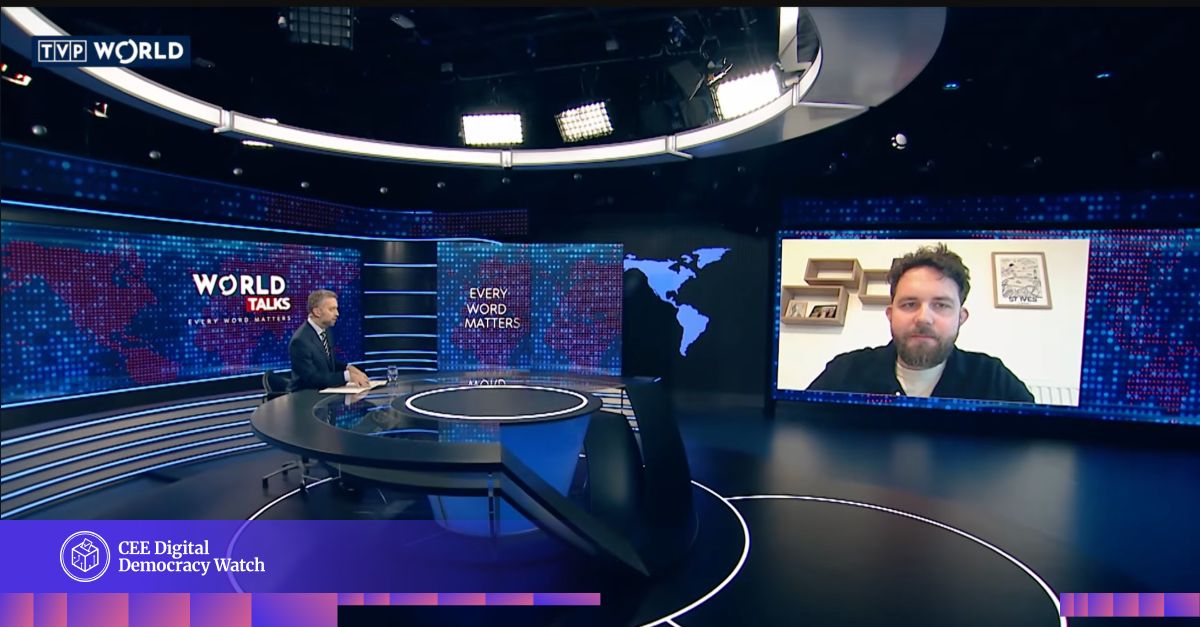
6 listopada wzięliśmy udział w debacie online w ramach programu Nie wierz w to co widzisz stowarzyszenia Pravda.
Podczas spotkania próbowaliśmy wyjaśnić okoliczności i przebieg cyfrowego ataku na polską infosferę, który miał miejsce w nocy z 9 na 10 września, tuż przed oraz w trakcie i po naruszeniu polskiej przestrzeni powietrznej przez rosyjskie drony.
W…
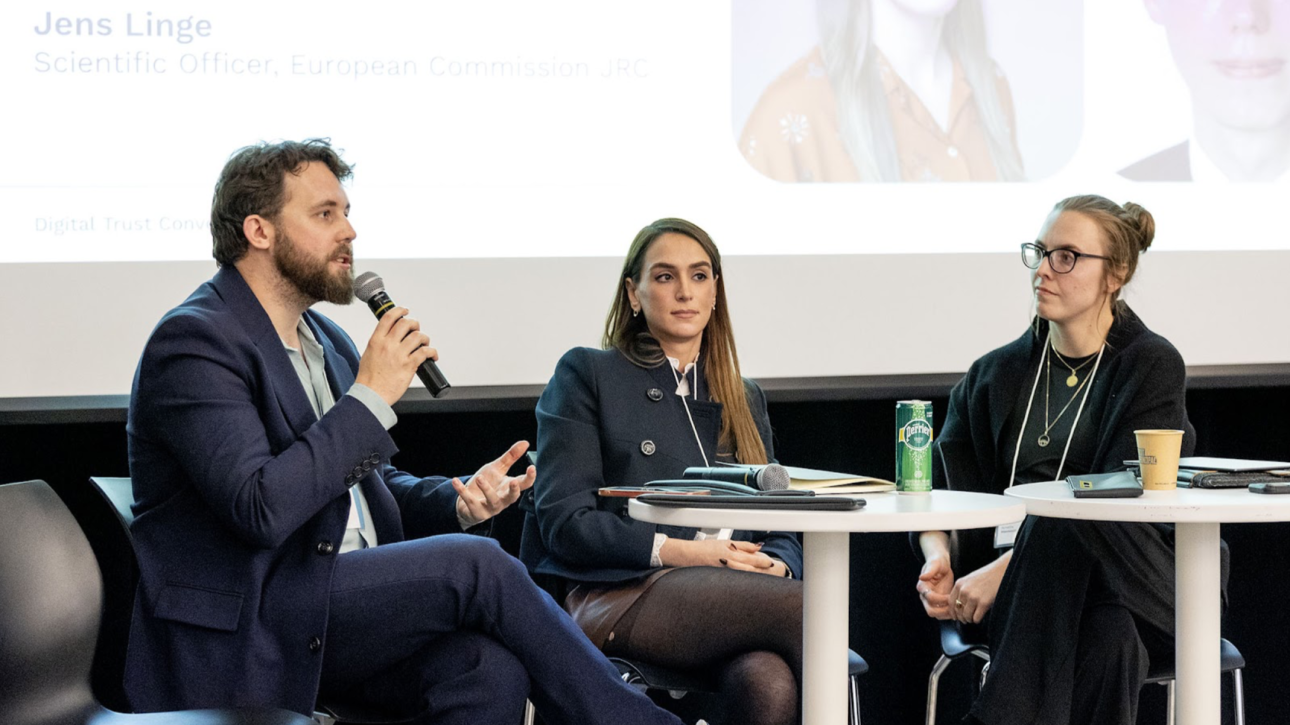
Over two days at the Digital Trust Convention in Montreal, researchers, technologists, policymakers, standardisers, industry experts, journalists, and philosophers gathered at Mila - Quebec Artificial Intelligence Institute to explore how we can “upgrade” our digital environment towards a courageous, positive, even joyful digital future for shared humanity.
Jakub Szymik spoke during the session “Digital space…